Products
Use cases
Industries
Resources
Company

Every month, our product and engineering teams ship new capabilities across Reveal, Logikcull, Onna, and Reveal Hold. This is the July roundup: the month's highlights in plain language, from a big speed leap in imaging to a redaction overhaul built to hold up under scrutiny.
Let's get into it.
Bulk imaging now processes more than 500,000 pages an hour, comfortably faster than anyone can review them (unless you’re using aji 😉).
The imaging service (OCR, PDF production, imaging, combine, and print) now runs on a new Linux-based platform. In our testing, productions, OCR, and bulk imaging run up to four-to-five times faster, and initiating the process now takes less than two minutes, so jobs begin almost as soon as you queue them.
Also in Imaging:
Some productions arrive as pure images: OPT or LFP. No text, natives, or mercy.
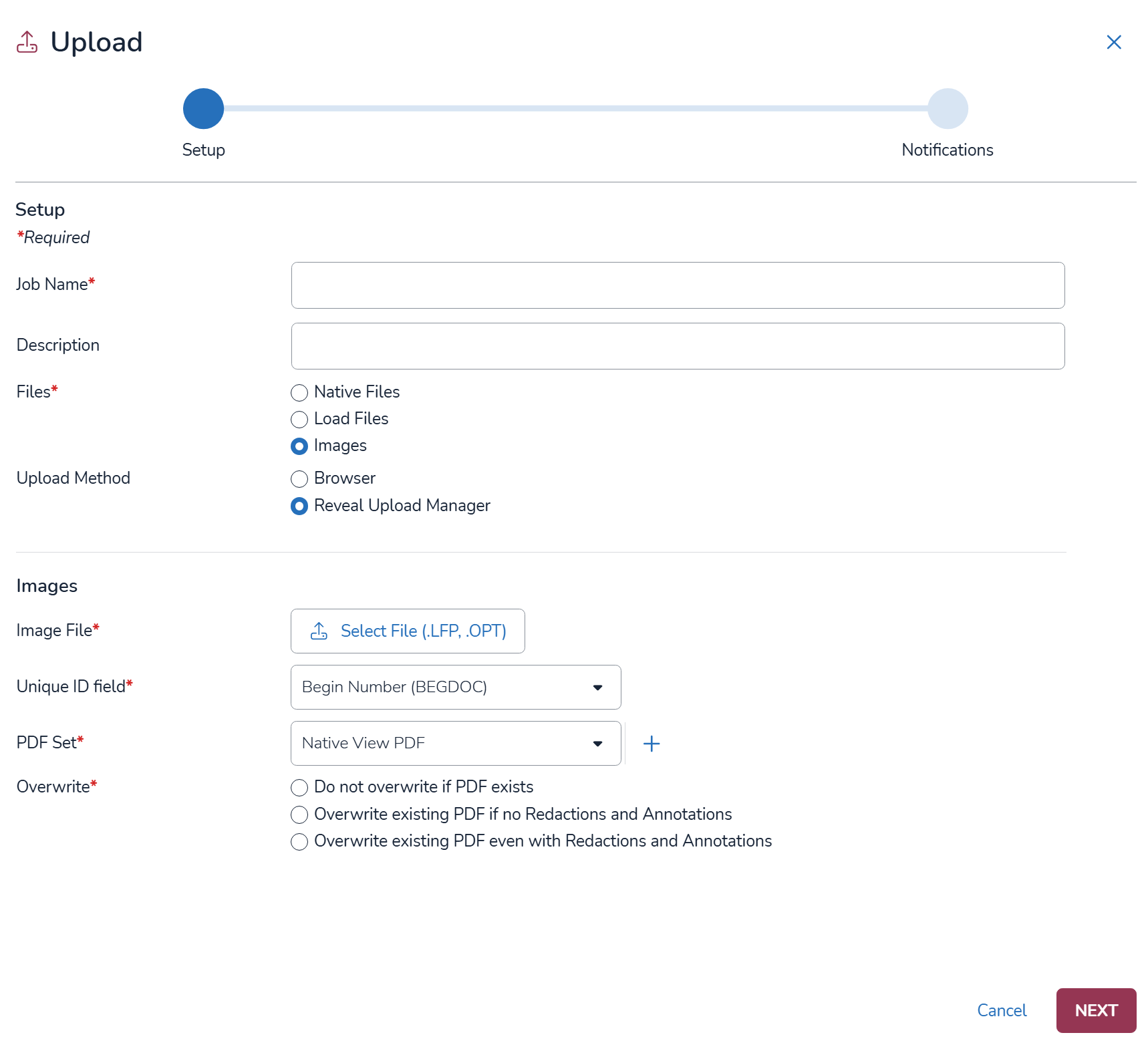
You can now load image-only production datasets directly in Reveal Upload Manager. Point it at your OPT or LFP image files, drop them into a Native View PDF set when you create the upload job, and load the metadata and production images without extracted text, shared text, or native files.
Also in Reveal Upload Manager:
👉 Read the full Reveal release notes.
If you can draw a black box over a phone number with your eyes closed, you've been doing this for too long.
Redactions got a massive upgrade this month.
The headliner? You can now trigger reusable auto-redaction rules that detect and label PII, keywords, and regular expressions the moment a document opens, so the 137th identical redaction (and the 138th and the 139th) happen without you.
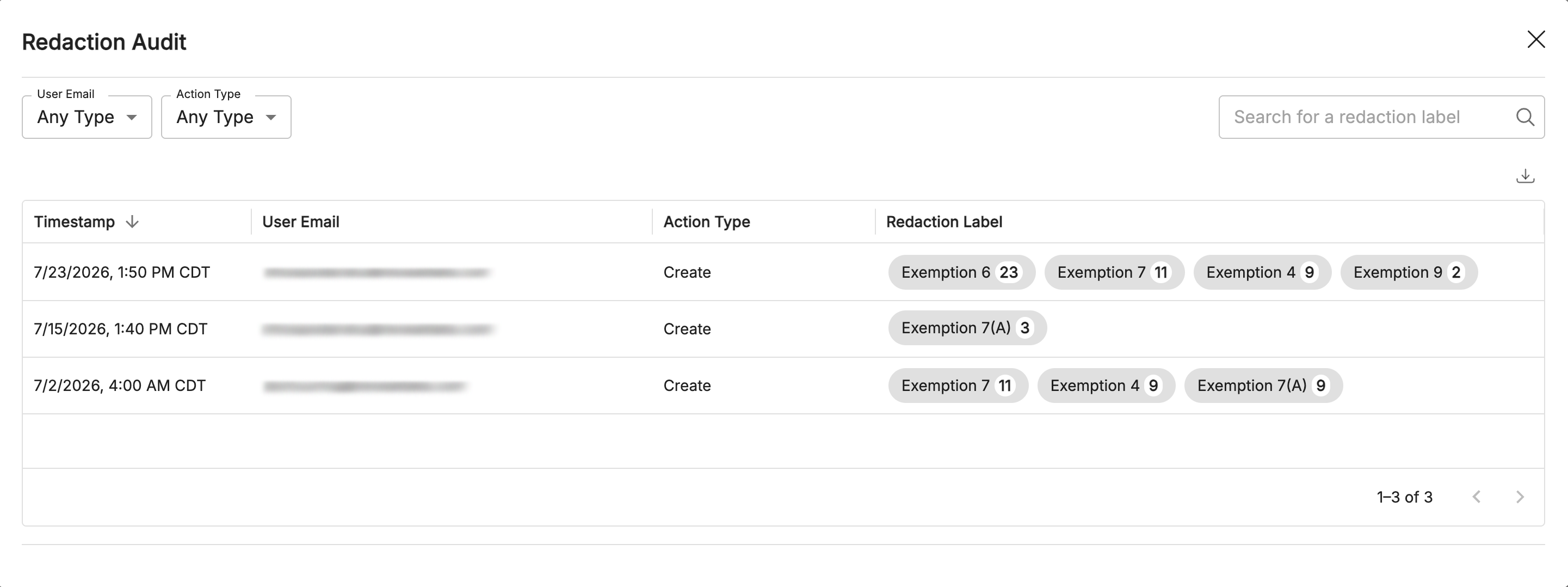
Alongside it, a few more updates make redacting faster to apply and easier to defend:
Objection: answer lacks foundation? Overruled.
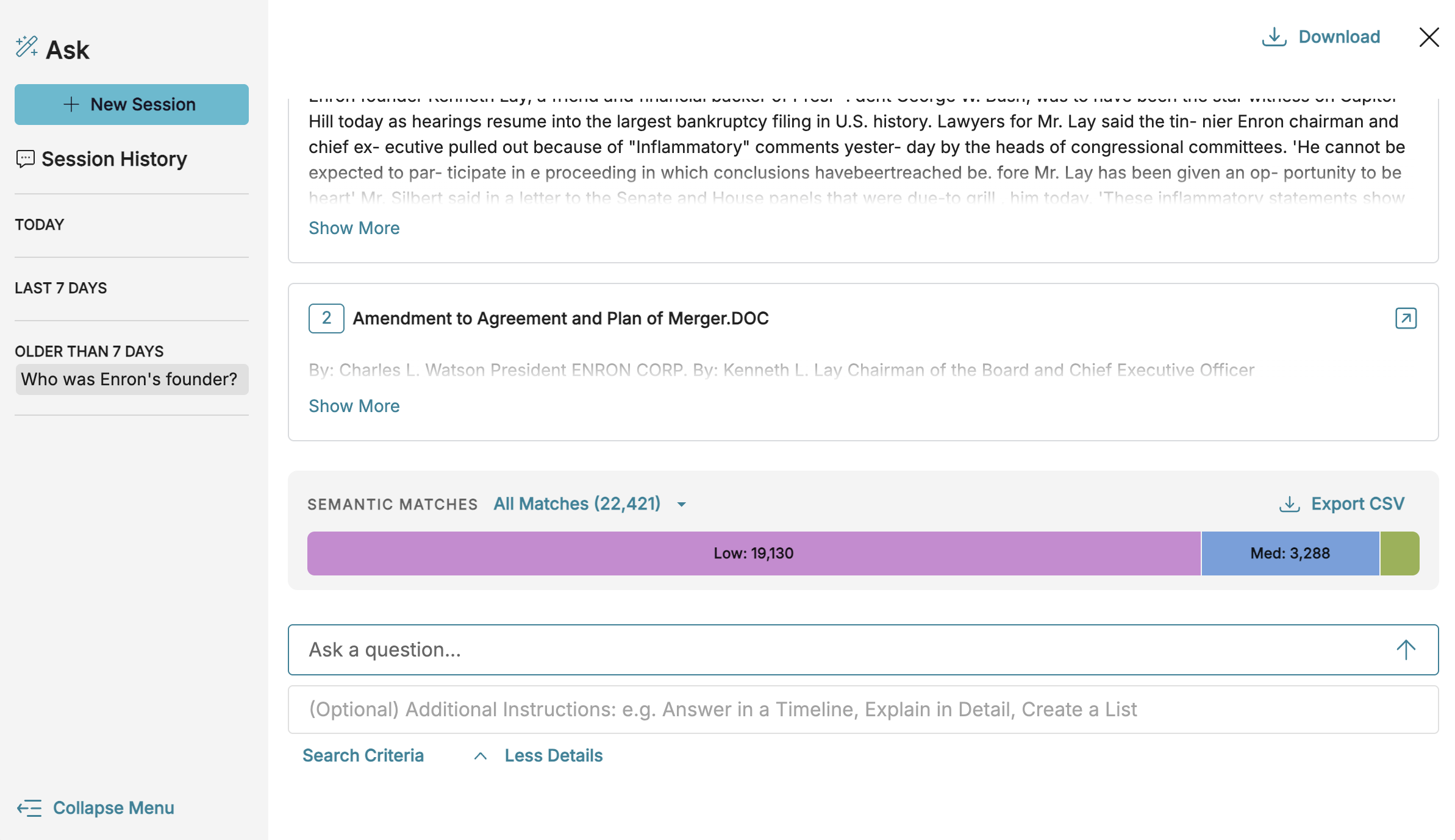
ASK has always shown you the answer and its supporting citations. Now it also surfaces semantic matches, showing exactly which passages and documents support your answer, ranked by similarity. Review the evidence, expand your search with a click, or export your top matches for further analysis.
👉 Read the full Logikcull release notes.
Placing accounts on source hold or requesting a limit increase used to mean filing a ticket, waiting for resolution, and repeating next time like Bill Murray reaching for that alarm clock.
The endless loop is over. You can now search, select, and apply Source Holds across any number of accounts right in the platform, whatever the mailbox volume, with no Support hand-off. Limits are permanently higher too, so you can forget about those one-off requests.
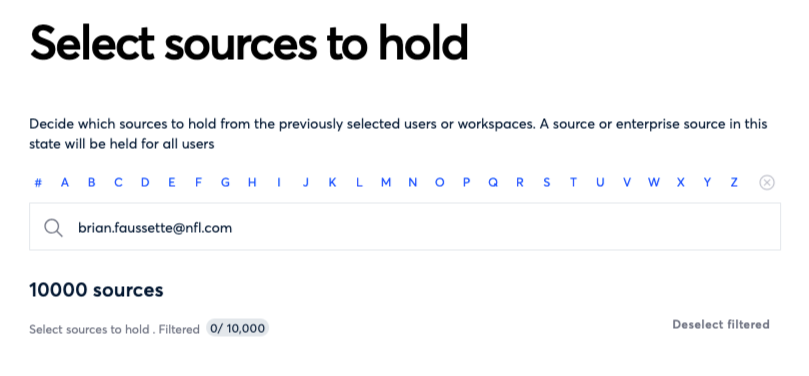
Also in this release:
👉 Read the full Onna release notes
People go on leave, change jobs, or just go quiet. Deadlines don’t.
Hold Managers can now fill out a custodian's questionnaire for them, so one unreachable person no longer freezes a matter. You need to enter a reason at submission, and every on-behalf response has a permanent stamp and badge displayed in the UI. And it's written to audit logs and exports, so it can never get mistaken for the custodian's own answer.
Send someone nine near-identical emails, and you've built a very efficient way to get ignored.
You can now send custodians on multiple holds a single consolidated awareness notification covering all of their active holds, instead of one message per hold. It runs on a dedicated template you enable at the subscription level, and scheduling controls let you include or exclude specific holds. Global template validation and deletion restrictions keep the notice consistent.
👉 Read the full Reveal Hold release notes.
Here is a look at what our teams are building next.
An upgraded review experience is entering Early Access, with much faster doc-to-doc navigation built for large, complex matters. Processing is speeding up alongside it, with broader support for modern file formats on the way.
Ask is getting more precise. It will soon let you put a question to a single document and get the answer with the exact passage cited back, so the one date buried on page 40 no longer means reading pages 1 through 39. Ask will also surface more of the documents most relevant to your question, ranked by how closely they match, with the full set within reach instead of capped at the first hundred.
On the public records front, accessible productions are coming to Logikcull. The platform will produce WCAG-compliant PDFs, so an accessible file is what you generate by default, not a second pass you run afterward.
Search in Place is coming, and it changes the order of operations. Instead of pulling an entire source in and sorting it out afterward, you will search and preview what is actually there first, then collect only what the matter needs. Over-collection stops being the default. Slack is the first source, with Google to follow.
Approval workflows are on the way for hold notices, so a notice can route through the right reviewer and reminders before it ever reaches a custodian. The release will roll out in phases, so stay tuned.
Many of this month's improvements came directly from customer feedback, and we're just getting started.
If there's something you'd like to see across our products, just let us know. Share your ideas here, browse the full release notes for everything that shipped this month, or reach out to your Customer Success Manager.